
July 16, 2026
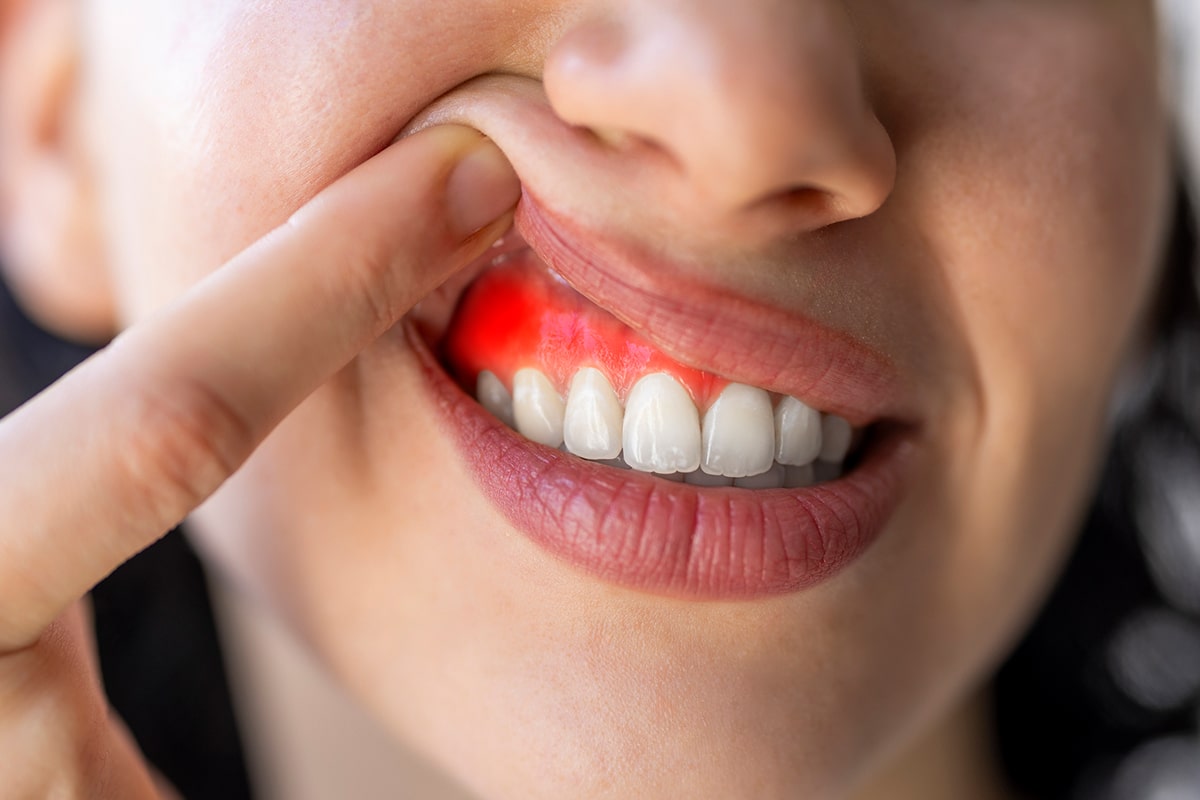
Gum disease affects nearly half of all American adults — and most people have no idea it's happening. That's because in its early stages, it rarely causes pain. The most common warning signs include red or swollen gums, bleeding when brushing or flossing, persistent bad breath, receding gums, and loose or sensitive teeth. Catching these signs early gives you the best chance of stopping the disease in its tracks.
Gum disease is far more common than most people realize. Studies show that nearly half of all adults in the United States have some form of periodontal disease — and many of those cases fall into the mild, moderate, or severe range. What makes it especially tricky to detect is that gum disease rarely hurts, at least not at first. Most people don't feel pain until the disease has already progressed beyond its earliest stages.
The encouraging news is that early detection truly makes a difference. Gingivitis — the first stage of gum disease — is fully reversible with proper treatment and consistent home care. When you know which warning signs to look for, you can take action before the disease progresses to more serious stages.
Red, Swollen, or Bleeding Gums: A Sign You Shouldn't Brush Off
Healthy gums are firm, pale pink, and don't bleed. So when your gums look red or feel puffy, or when you notice blood on your toothbrush or floss, pay attention. These are hallmarks of gingivitis, the earliest and most treatable stage of gum disease.
Bleeding gums are never normal. Many patients assume a little blood during brushing is just a sign that they're brushing too hard, but in most cases, it signals inflammation caused by plaque buildup along the gumline. Dental plaque contains bacteria that irritate gum tissue, and if plaque hardens into tartar (also called calculus), only a professional cleaning can remove it. At home, even excellent brushing and flossing habits can't dislodge tartar once it forms. The sooner we remove it, the sooner your gums can begin healing.
Common signs to look for:
- Gums that appear red, dark pink, or purplish rather than a healthy pale pink
- Puffiness or swelling around the base of your teeth
- Bleeding when you brush, floss, or eat hard foods
- Tenderness or soreness when you touch your gumline
Persistent Bad Breath: What Your Mouth May Be Telling You
Everyone experiences bad breath from time to time — after a morning coffee or a garlicky meal, for instance. Gum disease-related bad breath is different. It lingers no matter how often you brush, and it may come paired with an unpleasant or metallic taste in your mouth.
Persistent bad breath linked to gum disease has a specific cause: bacteria. As gum disease advances from gingivitis into periodontitis, pockets form between your teeth and gums. Plaque and bacteria collect in those pockets, where your toothbrush and floss simply cannot reach. The bacteria that thrive in those spaces produce compounds that create a persistent, sulfur-like odor — and no amount of mouthwash or brushing will fully eliminate it until the underlying infection is treated.
If you notice bad breath that your usual oral hygiene routine won't resolve, we encourage you to schedule an appointment. Stubborn halitosis may signal that bacteria have already moved below the gumline — a stage that requires professional intervention, not just better brushing.
Receding Gums, Loose Teeth, and Increased Sensitivity
As gum disease moves beyond gingivitis into more advanced stages, the signs become harder to miss — but by that point, some bone and tissue loss has already occurred. Gum recession is one of the most telling signs. When gums pull away from the teeth, the teeth appear longer than usual, and the exposed root surfaces often feel sensitive to hot, cold, or sweet foods and drinks.
Loose teeth or a change in how your teeth fit together when you bite down may indicate that bacteria have begun eroding the ligaments and bone that anchor your teeth in place. At the moderate stage, some patients also notice pus forming along the gumline — a clear sign of active infection.
Other signs to watch for at this stage:
- Teeth that look longer than they used to
- Increased tooth sensitivity, especially to temperature changes
- A shift in how your upper and lower teeth meet when you close your mouth
- Loose or shifting teeth
If you notice any of these signs, our team at Starr General Dentistry can evaluate the extent of bone and tissue involvement and recommend the appropriate level of care. Our periodontal services range from non-surgical scaling and root planing to ongoing periodontal maintenance programs designed to prevent the disease from progressing.
Your Gums Are Trying to Tell You Something — Listen Early
The most important thing to understand about gum disease is that it progresses silently. Most people experience little to no pain during the early and middle stages, which is precisely why regular dental exams matter so much. A dentist or hygienist can measure the depth of the pockets around your teeth, take X-rays to check for bone loss, and catch changes that you'd never notice on your own.
Early-stage gum disease responds well to professional treatment combined with consistent home care — brushing twice daily with fluoride toothpaste, flossing every day, and avoiding tobacco use. The further the disease advances, the more complex treatment becomes. Gingivitis is reversible. Advanced periodontitis is not — it can only be managed.
At Starr General Dentistry, we believe that catching gum disease early is one of the best things you can do for your long-term health. Gum disease doesn't just affect your mouth — research has broadly shown connections between periodontal health and conditions like heart disease, stroke, and diabetes. That's a strong reason to pay attention to the warning signs and act sooner rather than later.
Frequently Asked Questions About Periodontal Services
What are periodontal services, and do you need them?
Periodontal services are dental treatments focused on the health of the gums and the bone that supports your teeth. Patients who show signs of gum disease — such as bleeding gums, receding gumlines, deep pockets, or bone loss — typically need periodontal care beyond a standard cleaning. At Starr General Dentistry, we offer a range of periodontal treatments, from non-surgical procedures to maintenance programs for patients managing chronic gum disease.
What does scaling and root planing involve?
Scaling and root planing is a non-surgical deep-cleaning procedure used to treat early-to-moderate gum disease. During scaling, our team uses specialized instruments to remove plaque and calculus (hardened tartar) from beneath the gumline — areas a regular cleaning cannot reach. Root planing smooths the surface of the tooth root, which helps the gums reattach and reduces the likelihood of bacteria collecting in those areas again. We typically perform the procedure in at least two visits and use local anesthesia to keep you comfortable throughout.
How often should you schedule periodontal maintenance appointments?
Patients managing gum disease generally need more frequent checkups than the standard twice-yearly cleaning schedule. Our periodontal maintenance program includes a thorough oral examination and professional cleaning at each visit. The frequency depends on the severity of your condition and how well the disease responds to treatment — your care team will recommend a schedule tailored to your specific needs.
Can gum disease be reversed?
The earliest stage of gum disease — gingivitis — is fully reversible. With professional cleaning and improved home care, the gum tissue can heal completely because no bone loss has occurred yet. Once gum disease advances to periodontitis and bone loss begins, the condition can no longer be reversed. At that stage, treatment focuses on controlling the infection, preventing further deterioration, and, in some cases, rebuilding lost bone or gum tissue through regenerative procedures.
What happens when gum disease goes untreated?
Untreated gum disease continues to worsen over time. As the infection spreads deeper beneath the gumline, it gradually destroys the ligaments and bone that hold your teeth in place — and tooth loss often results. In fact, gum disease ranks among the leading causes of tooth loss in adults. Beyond your mouth, untreated periodontal disease has been broadly linked to serious health concerns, including heart disease, stroke, and complications related to diabetes. Getting treatment early is the most effective way to protect both your smile and your overall health.
At Starr General Dentistry, we provide compassionate, comprehensive dental care to patients and families in our community. From preventive cleanings to advanced periodontal treatment, our team is here to help you protect your smile at every stage of life. We welcome new and returning patients alike — contact us today to schedule your appointment.