
April 15, 2026
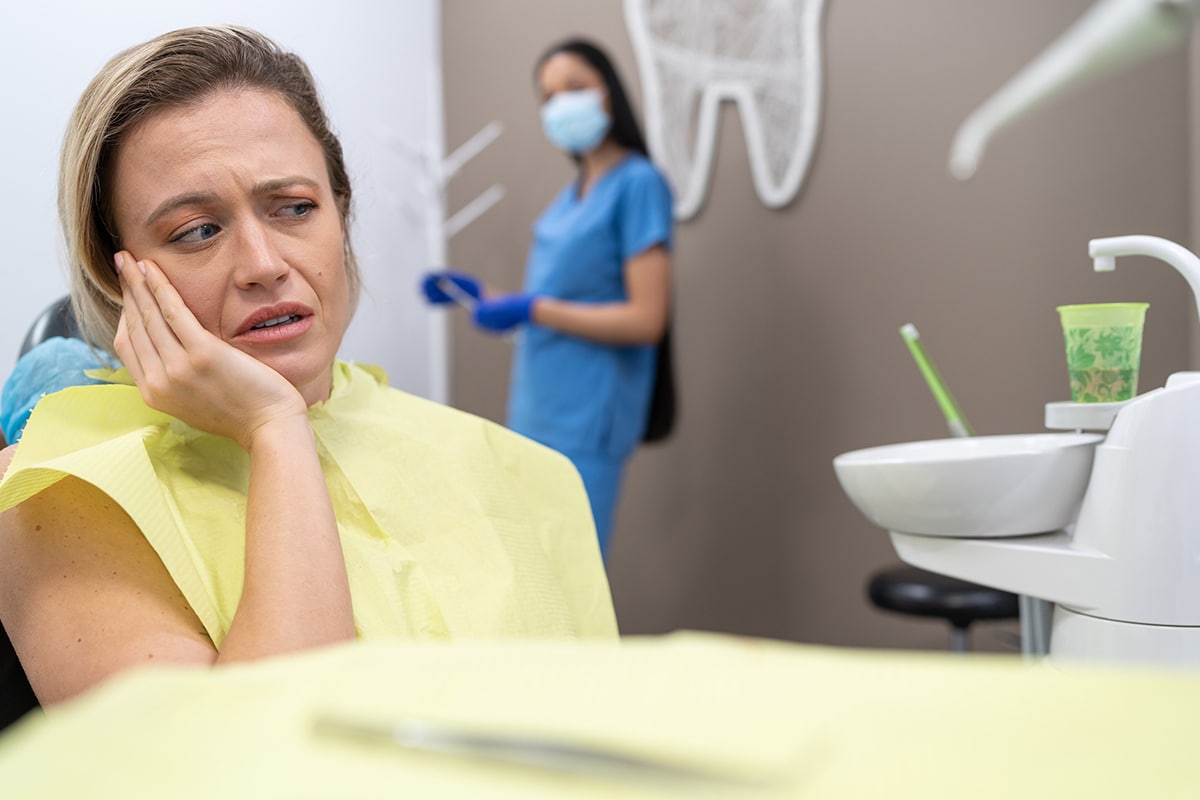
Dental emergencies can happen when you least expect them, often causing pain, stress, and uncertainty about what to do next. Understanding how to recognize dental emergencies and when to seek professional care can make a significant difference in protecting your oral health. At Starr General Dentistry, we believe that being informed helps you act quickly and confidently when urgent dental issues arise.
Whether it is a sudden toothache, a chipped tooth, or a more serious injury, knowing how to respond to dental emergencies can help minimize damage and improve outcomes. In this guide, we will walk you through some of the most common situations and explain when it is time to contact a dental professional right away.
What Qualifies as a Dental Emergency?
Not every dental issue requires immediate care, but certain conditions should never be ignored. Dental emergencies typically involve severe pain, bleeding, infection, or trauma to the teeth and gums. These situations often require prompt attention to prevent complications and preserve your oral health.
Some of the most common dental emergencies include knocked-out teeth, cracked or broken teeth, severe toothaches, lost fillings or crowns, and infections such as abscesses. If you are experiencing intense discomfort or notice visible damage, it is best to treat the situation as urgent and seek care as soon as possible.
In many cases, early intervention can mean the difference between saving and losing a tooth. That is why it is important to recognize the warning signs and act quickly when dental emergencies occur.
Common Types of Dental Emergencies
Dental emergencies can vary in severity, but there are several situations that are especially common and require prompt attention.
- A knocked-out tooth is one of the most urgent dental emergencies. If a tooth is completely dislodged, time is critical. The best chance of saving the tooth occurs when it is reinserted within an hour. Handling the tooth carefully and keeping it moist can help preserve it until you reach the dentist.
- Severe toothaches are another frequent issue. While mild discomfort may not require immediate care, intense or persistent pain can indicate an underlying problem such as decay, infection, or nerve damage. Ignoring this type of pain can lead to more serious complications.
- Chipped or broken teeth can also require urgent care, especially if the damage exposes the inner layers of the tooth. This can increase sensitivity and the risk of infection. Prompt treatment helps restore the tooth and prevent further damage.
- Lost fillings or crowns may not always feel like emergencies, but they leave the affected tooth vulnerable. Without protection, the tooth can become sensitive or damaged more easily, making it important to address the issue quickly.
- Dental abscesses are among the most serious dental emergencies. These infections can cause swelling, pain, and even fever. If left untreated, an abscess can spread and lead to more severe health concerns. Immediate care is essential in these cases.
When to Seek Immediate Dental Care
Knowing when to seek professional help is key when dealing with dental emergencies. If you are unsure whether your situation requires urgent care, it is always better to err on the side of caution.
You should seek immediate care if you experience severe pain that does not go away, significant bleeding, swelling in the face or gums, or signs of infection such as pus or fever. Trauma to the mouth, including knocked-out or loose teeth, also requires prompt attention.
If you are dealing with any of these issues, visiting a dentist as soon as possible can help prevent further complications. At Starr General Dentistry, we provide guidance and care for a wide range of dental emergencies to help restore your comfort and protect your smile.
Acting quickly can reduce pain, prevent infection, and increase the likelihood of successful treatment. Delaying care often leads to more complex procedures and higher risks.
What to Do Before You Reach the Dentist
Taking the right steps before you arrive at the dental office can make a significant difference in managing dental emergencies.
- If a tooth is knocked out, gently rinse it without scrubbing and try to place it back in its socket if possible. If that is not an option, store it in milk or a tooth preservation solution. Keeping the tooth moist is critical for saving it.
- For severe toothaches, rinsing your mouth with warm water and using a cold compress can help reduce discomfort and swelling. Avoid placing aspirin directly on the gums, as this can cause irritation.
- If you have a broken tooth, rinse your mouth and save any fragments if possible. Applying a cold compress can help minimize swelling while you wait for treatment.
- In cases of swelling or suspected infection, it is important to seek care immediately. Avoid attempting to drain the area yourself, as this can worsen the situation.
These simple steps can help stabilize your condition and improve the outcome of your treatment once you reach the dentist.
Preventing Dental Emergencies
While not all dental emergencies can be avoided, many can be prevented with proper care and precautions.
- Maintaining good oral hygiene is one of the most effective ways to reduce your risk. Brushing twice a day, flossing daily, and scheduling regular dental checkups help identify and address issues before they become emergencies.
- Wearing a mouthguard during sports or physical activities can protect your teeth from injury. This is especially important for children and adults who participate in contact sports.
- Avoid using your teeth as tools to open packages or bite hard objects, as this can lead to cracks and fractures. Being mindful of your habits can go a long way in protecting your smile.
Regular visits to Starr General Dentistry allow our team to monitor your oral health and provide preventive care tailored to your needs. Early detection and treatment are key to avoiding urgent situations.
When to Act Fast to Protect Your Smile
Dental emergencies can be stressful, but knowing how to recognize them and when to seek care can make all the difference. By understanding the signs and taking prompt action, you can protect your oral health and avoid more serious complications. If you are ever unsure about your symptoms, it is always best to contact a dental professional for guidance. Call 254-776-7410 to reach Starr General Dentistry for assistance.
Frequently Asked Questions About Dental Emergencies
What should I do if I have a severe toothache?
Rinse your mouth with warm water and use a cold compress to reduce discomfort. If the pain persists or worsens, contact a dentist as soon as possible to determine the cause.
Can a chipped tooth wait for treatment?
Minor chips may not require immediate care, but larger breaks or pain should be addressed quickly. A dentist can evaluate the damage and recommend the appropriate treatment.
At Starr General Dentistry, we are committed to providing compassionate, high-quality care for patients of all ages. Our team works together to ensure every patient feels comfortable and confident in their dental care. If you are experiencing dental emergencies or need guidance, contact us today.